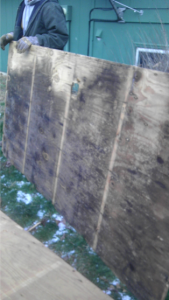
When contemplating a new roof, many people hope to simply do a shingle over and avoid the extra cost and mess of tearing off the existing roof and starting from scratch. Although it sounds like a good idea, we can assure you the cons heavily outweigh the pros. In fact, the ONLY pro to a shingle over is it’s cheaper and cleaner. The problem is, what if there is an unknown leak or bad roof flashing? Will it be fixed? Will the damaged wood be replaced during a shingle over? Unfortunately, the answer is no.
Just the other week, we came across a leak around a dormer the homeowner never knew about. Obviously, during the tear-off, we spotted the leak and were able to change out the rotted wood and re-flash the area. In a shingle over, if some of the decking has buckled and warped over the years, it likely isn’t going to be noticed and fixed. This can lead to increased rot, mold, and decrease the structural integrity of your home.
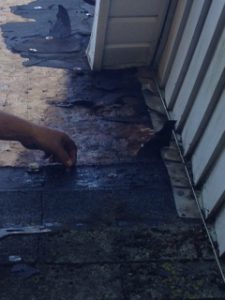
Long-Term Effects of Shingling Over Shingles
Apart from the problems going unnoticed during the actual shingle over, there are long term effects to consider as well. For instance, instead of just one roof on your home, you now basically have two. That’s a lot of extra weight, putting added stress on the roof decking. Also, two layers of shingles are going to attract a lot more heat than just one layer, which can lead to the shingles prematurely deteriorating. Also, what about all the algae growth and bacteria on the original layer of shingles? Now everything is trapped under the 2nd layer of shingles, again having the potential to shorten the lifespan of the top layer of shingles.
Roofing Over Your Existing Roof Is Not Worth It
If you haven’t noticed yet, we are not fans of shingle overs – not at all. We don’t recommend them nor do we do them. Over the years, we’ve seen problems caused by shingle overs. Does it cost more to tear off? Yes. However, by spending a little more now, you can save yourself thousands in the long run.
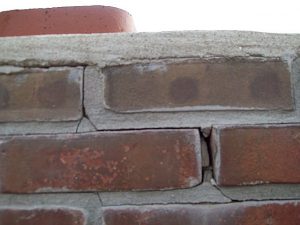 Over time, brick and mortar chimneys become weathered and aged. This aging causes bricks and mortar to crack and fail. Each crack in the mortar or bricks, is an area for water to permeate through and then run down the chimney. Alot of times a mason can replace damaged bricks and tuckpoint mortar joints and the problems will be resolved.
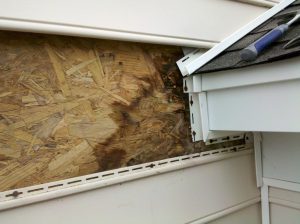 Similar to a vinyl sided chimney, we often run into areas on a roof where the roof meets the side of the house. Again, if there is not a proper waterproof barrier installed behind the siding, wind-driven rain and snow build-up, can get behind the siding and the flashing where it meets the roof. The process to fix this problem is identical to that of the chimney repair listed above.
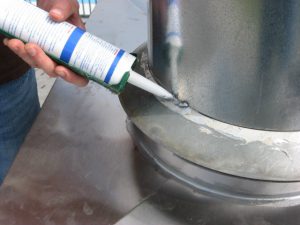 Many homes that don’t have a traditional chimney on the roof, often have just a metal furnace or gas vent coming through the roof. Over time, these fixtures receive a lot of abuse from wind and rain, which can cause the “collars” around the pipes to become loose and break their seal. When this happens, water can get behind the rain collar and travel down the outside of the furnace pipe, which will then drip and damage or stain drywall ceilings. Most of the time these issues can simply be fixed with roof sealant, or a new furnace pipe with new flashing and rain collar can be installed.